
Showing 11 results

Hardy-Weinberg Equilibrium
Explore the Hardy-Weinberg equilibrium model to predict allele and genotype frequencies in non-evolving populations. Use the equations p² + 2pq + q² = 1 and p + q = 1 to calculate frequencies, and understand how violations of the five conditions (no mutation, random mating, no gene flow, infinite population size, no selection) indicate evolutionary change.
Action of Hormones
Visualize how hormones trigger cellular responses through signal transduction pathways. Explore the differences between lipid-soluble hormones (steroids) that pass through membranes to bind intracellular receptors and water-soluble hormones (peptides) that bind surface receptors, activating second messenger systems like cAMP and initiating phosphorylation cascades via G-protein coupled receptors (GPCRs).
Lac Operon Regulation
Explore prokaryotic gene regulation through the lac operon in E. coli, a classic model of negative and positive control. Visualize how the repressor protein blocks transcription in the absence of lactose, and how lactose (allolactose) acts as an inducer to allow transcription of genes encoding β-galactosidase, permease, and transacetylase. Understand CAP-cAMP positive regulation under low glucose conditions.
Meiosis & Genetic Variation
Visualize the stages of meiosis I and meiosis II, the specialized cell division that produces four haploid gametes from one diploid cell. Explore how crossing over during prophase I and independent assortment during metaphase I generate genetic variation, and understand how meiosis reduces chromosome number while maintaining genetic diversity essential for sexual reproduction.
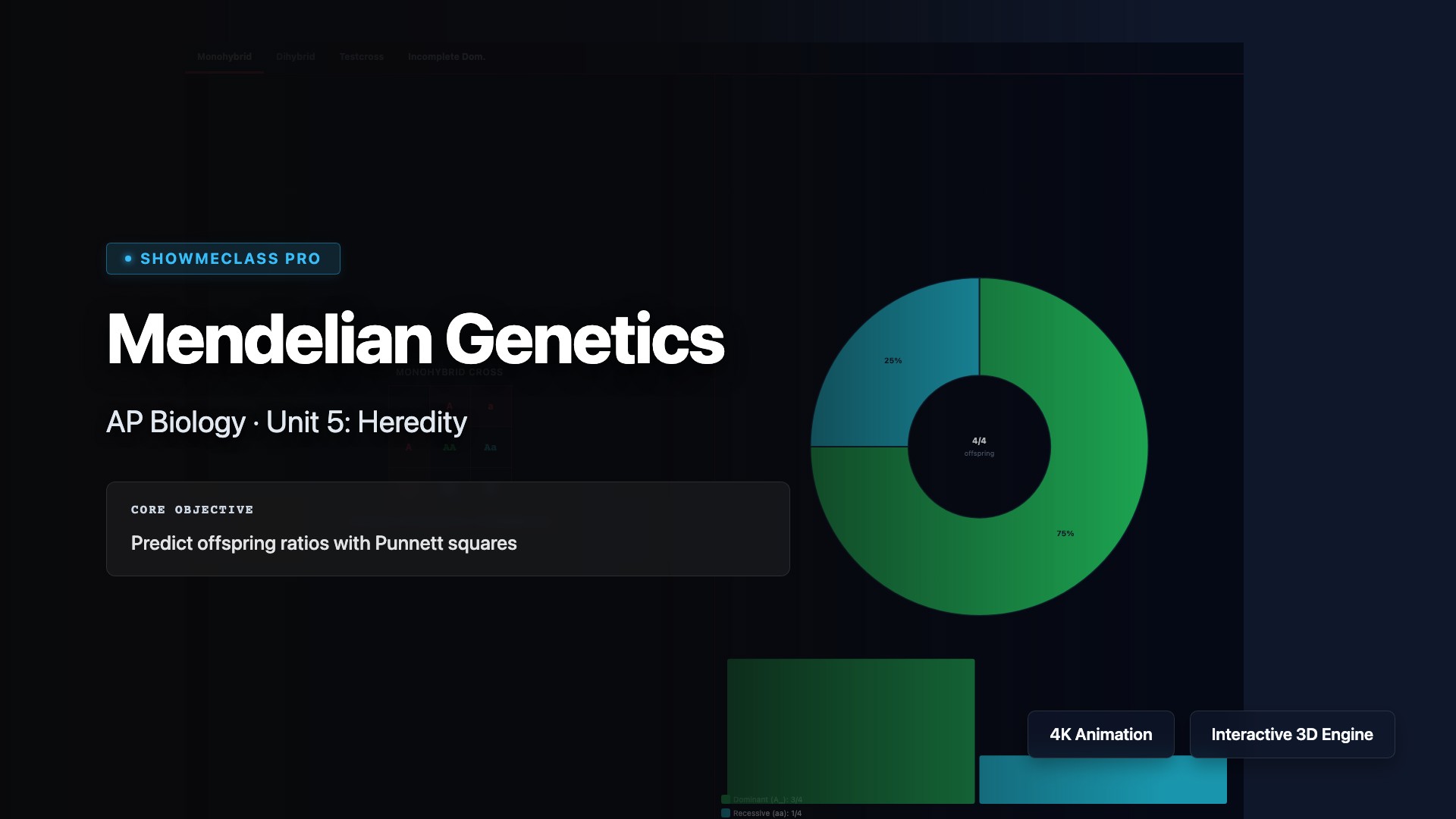
Mendelian Genetics
Explore Gregor Mendel's fundamental laws of inheritance through interactive Punnett squares and genetic crosses. Visualize the law of segregation (alleles separate during gamete formation) and the law of independent assortment (genes for different traits segregate independently). Practice predicting offspring genotypes and phenotypes for monohybrid and dihybrid crosses, and understand dominant, recessive, and codominant inheritance patterns.
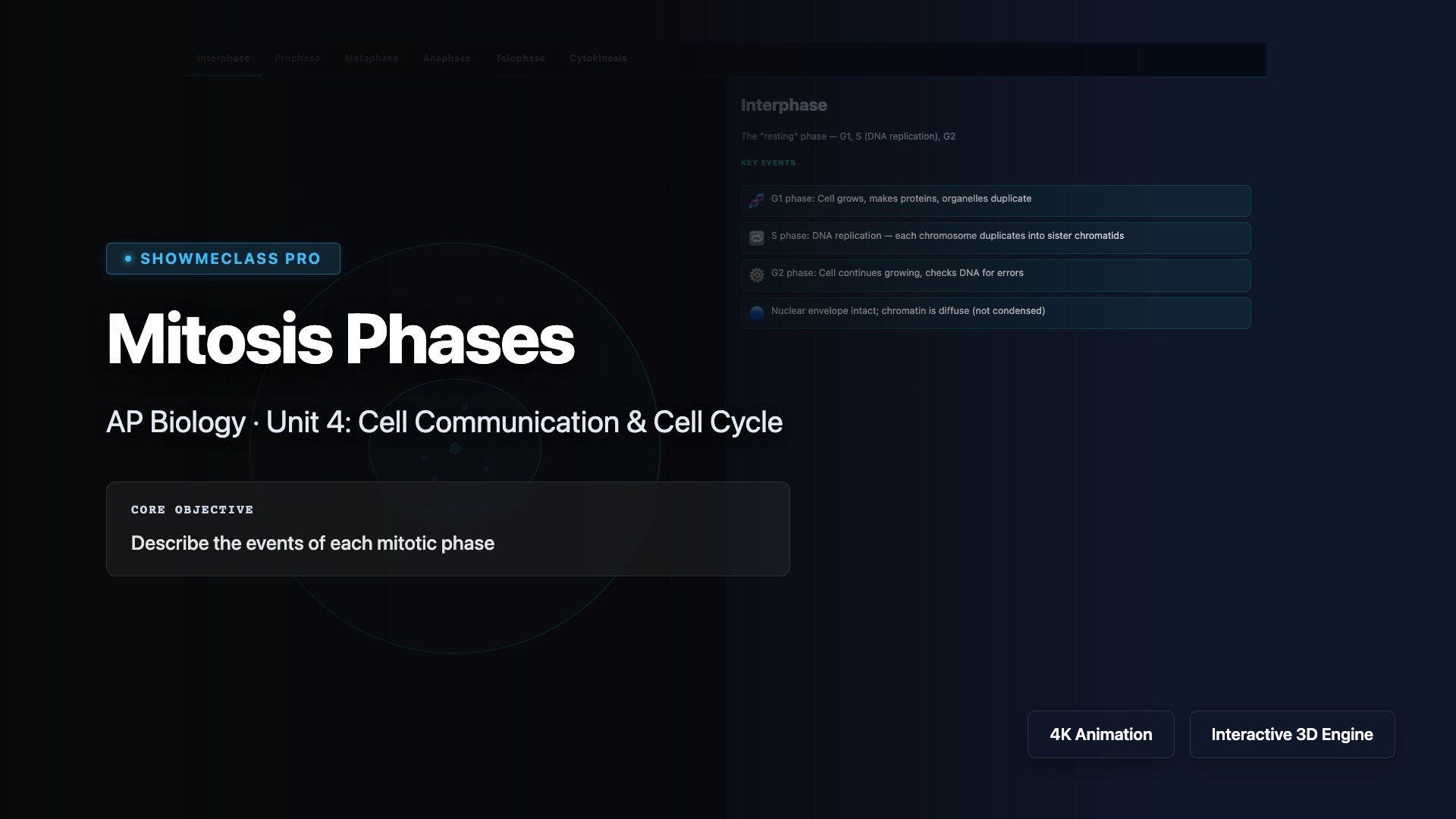
Mitosis Phases
Visualize the stages of mitosis—prophase, metaphase, anaphase, and telophase—the process by which a eukaryotic cell divides to produce two genetically identical daughter cells. Explore chromosome condensation, spindle fiber attachment at kinetochores, sister chromatid separation, and cytokinesis. Understand how mitosis maintains chromosome number and ensures accurate distribution of genetic material for growth, repair, and asexual reproduction.
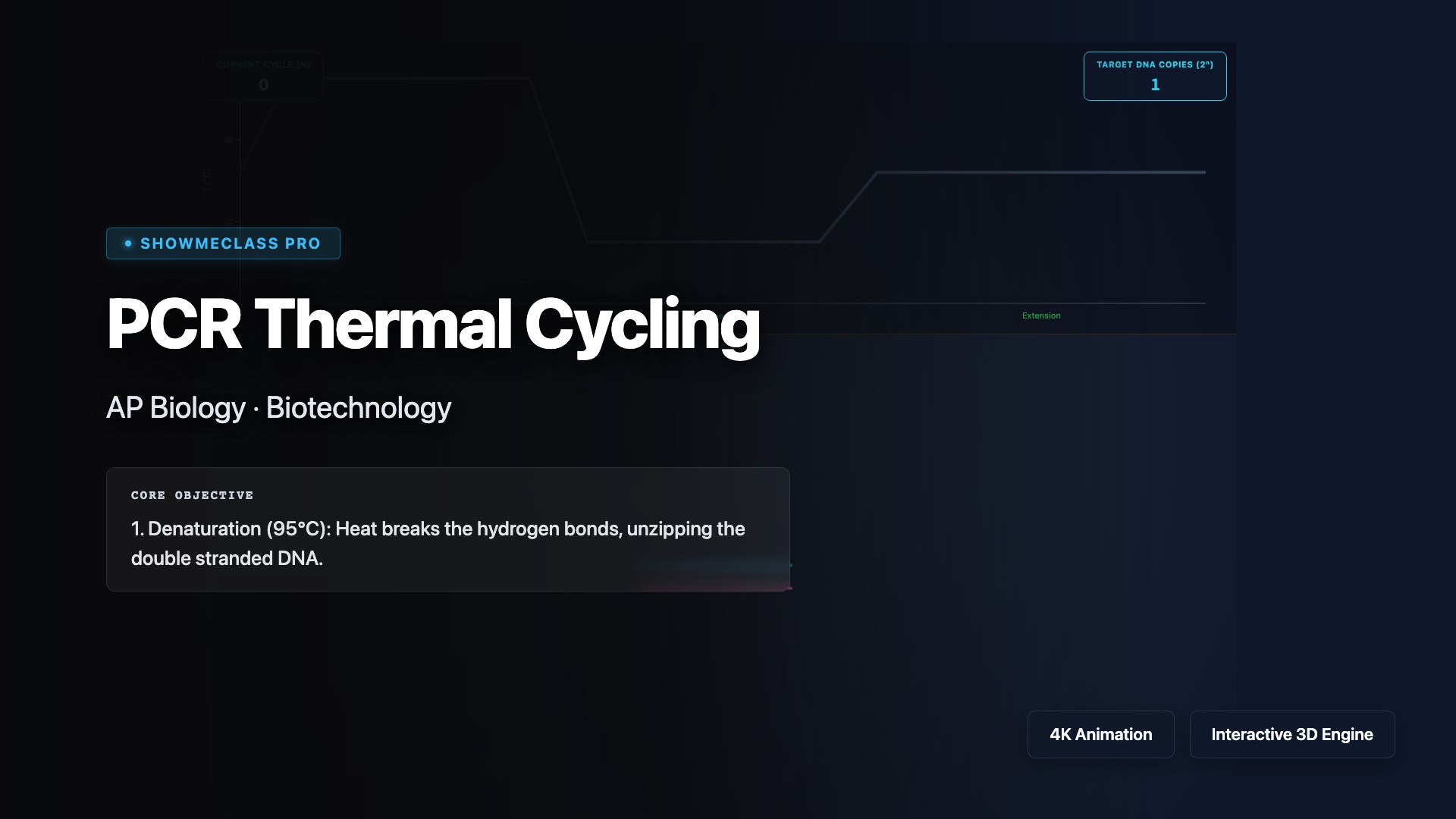
PCR Thermal Cycling
Simulate the polymerase chain reaction (PCR) technique that exponentially amplifies specific DNA sequences through repeated thermal cycling. Visualize the three temperature-dependent steps: denaturation (95°C separates DNA strands), annealing (55°C allows primers to bind), and extension (72°C enables Taq polymerase to synthesize new strands). Understand how PCR enables DNA cloning, forensics, medical diagnostics, and genetic research.
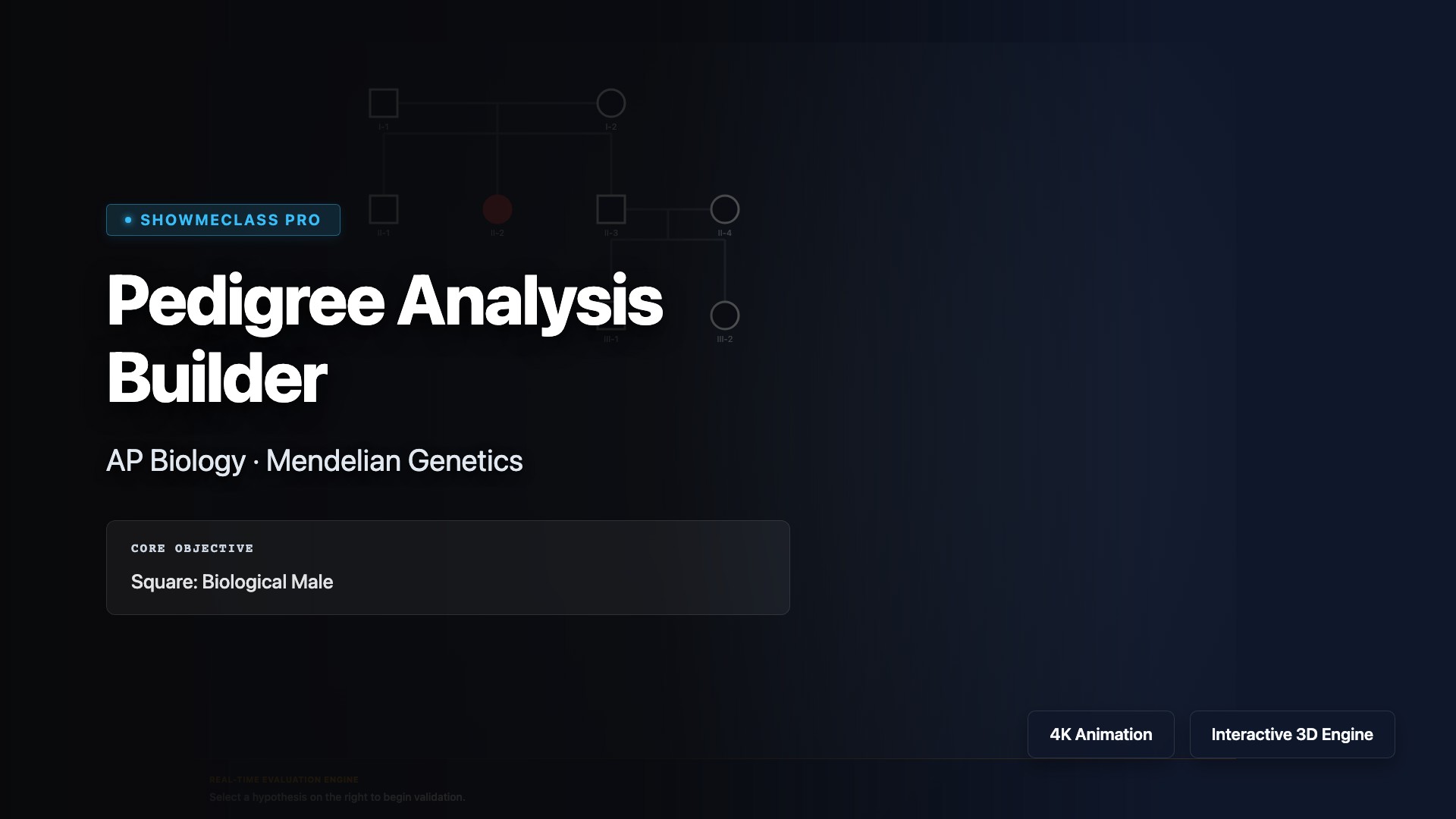
Pedigree Analysis Builder
Build and analyze pedigrees to trace inheritance patterns of genetic traits through family trees. Learn to identify autosomal dominant, autosomal recessive, X-linked recessive, and X-linked dominant inheritance patterns by examining affected individuals across generations. Practice determining genotypes, calculating probabilities, and distinguishing between different modes of inheritance using standard pedigree symbols.
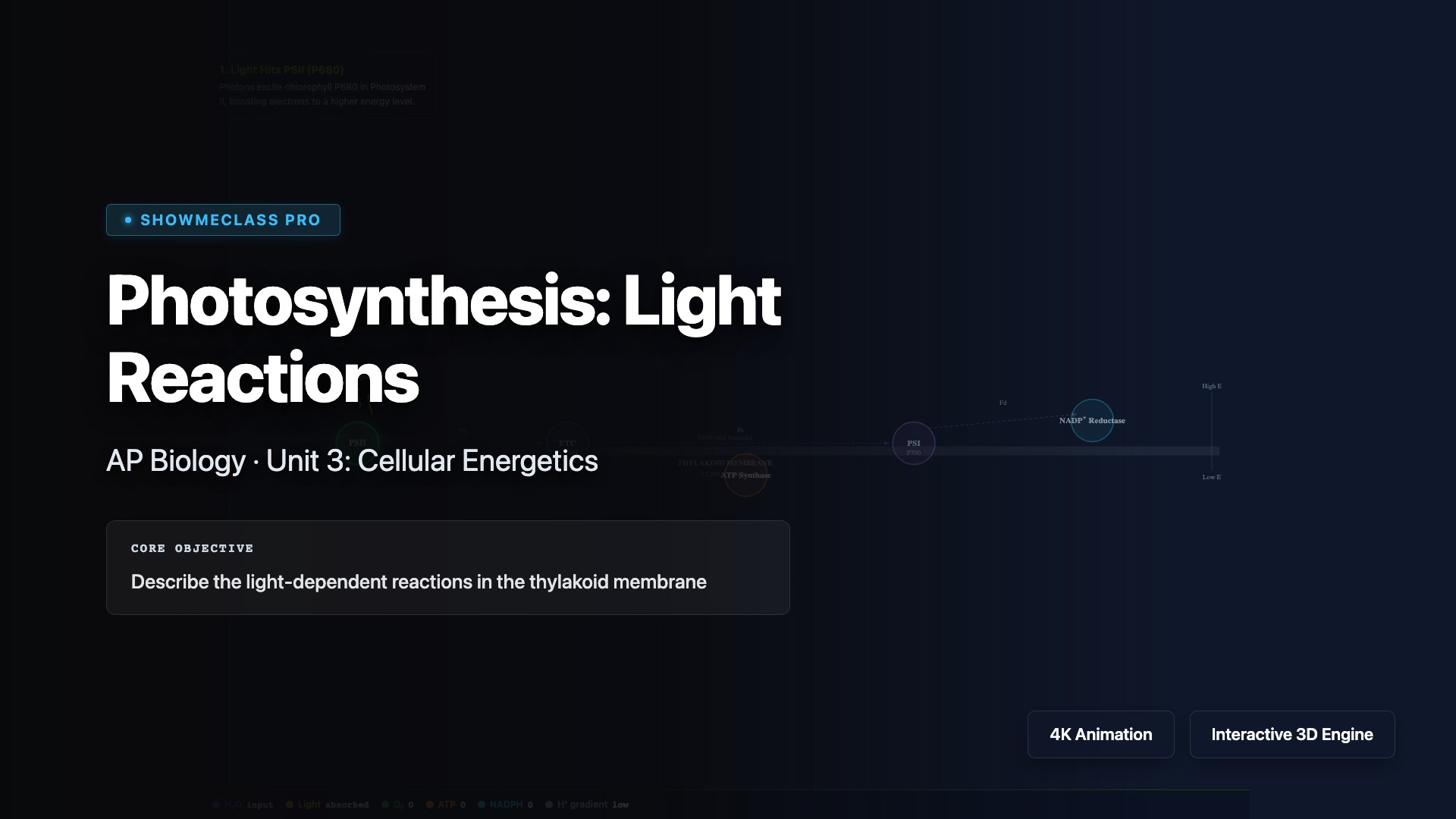
Photosynthesis: Light Reactions
Explore the light-dependent reactions of photosynthesis occurring in the thylakoid membranes of chloroplasts. Visualize how photosystems II and I capture light energy to drive electron transport, generate ATP via chemiosmosis, and produce NADPH. Understand photolysis of water, the Z-scheme electron flow, and how these products power the Calvin cycle to fix carbon dioxide into glucose.
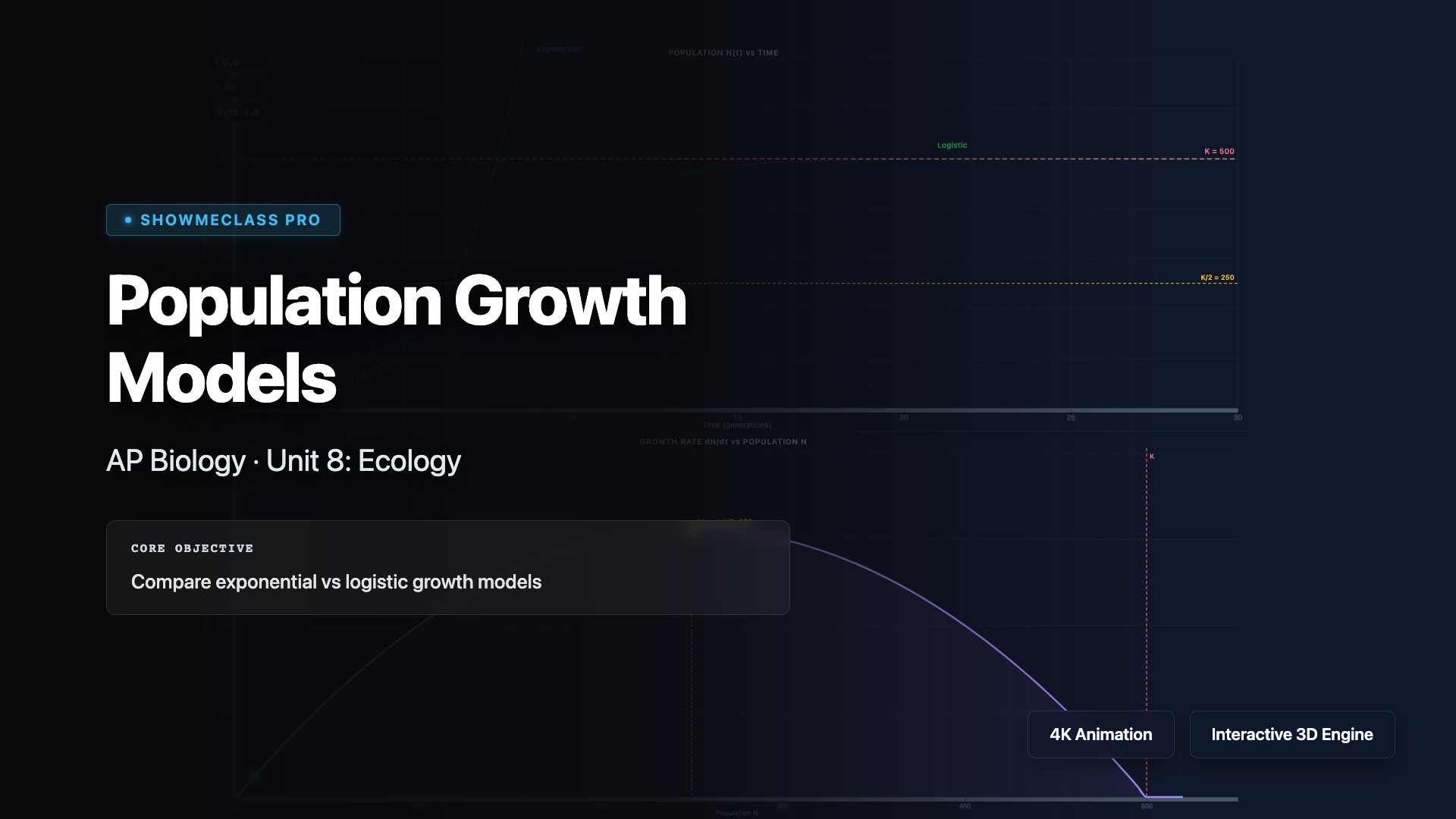
Population Growth Models
Compare exponential and logistic population growth models to understand how populations change over time. Visualize the J-shaped curve of exponential growth (unlimited resources) versus the S-shaped curve of logistic growth (limited by carrying capacity). Explore how density-dependent and density-independent factors regulate population size, and calculate growth rates using the equations dN/dt = rN and dN/dt = rN(K-N)/K.
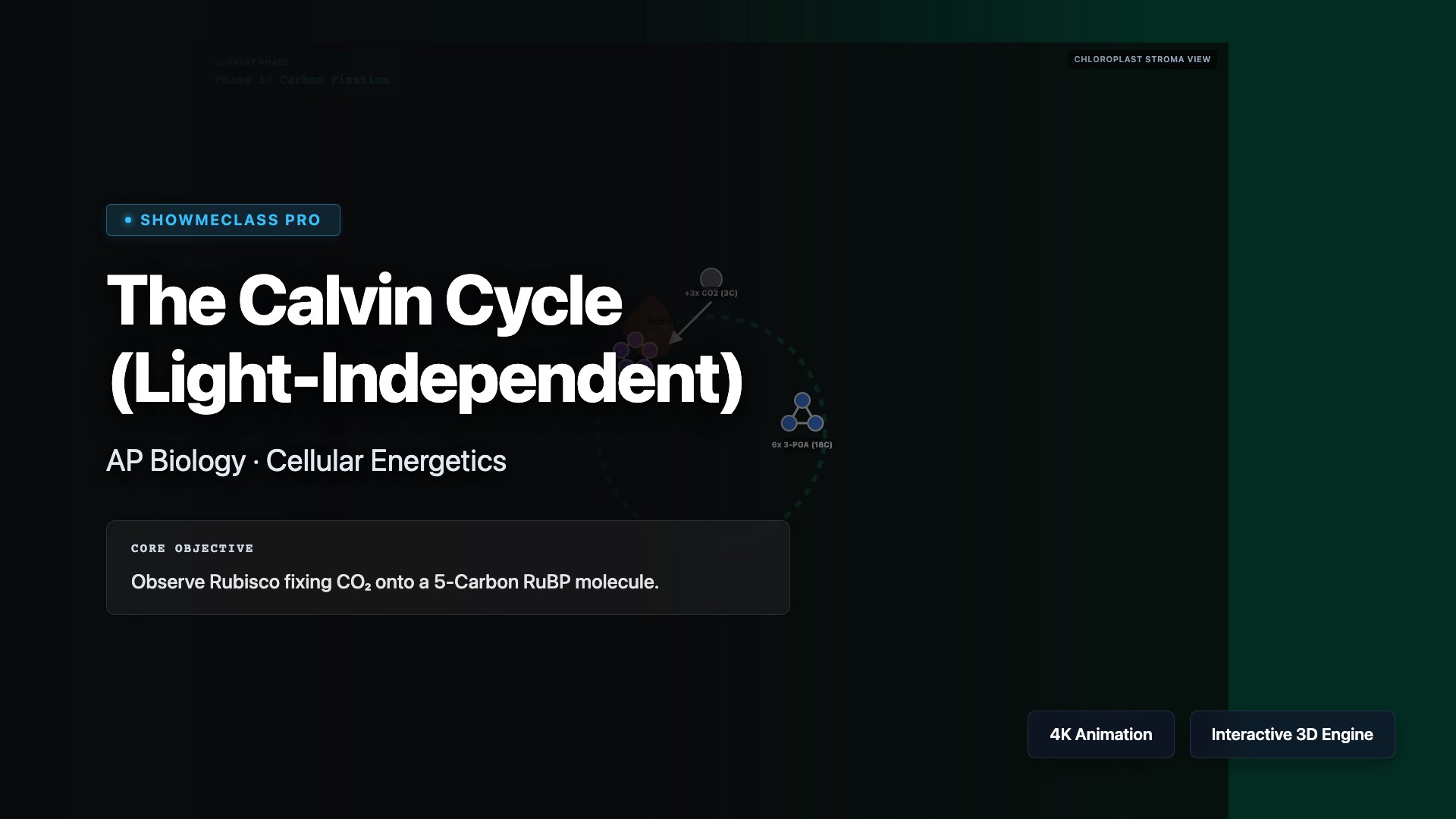
The Calvin Cycle
Track the fixation of Carbon Dioxide by Rubisco and the energy transfer from Light-Dependent ATP/NADPH to synthesize G3P.