
Showing 12 results
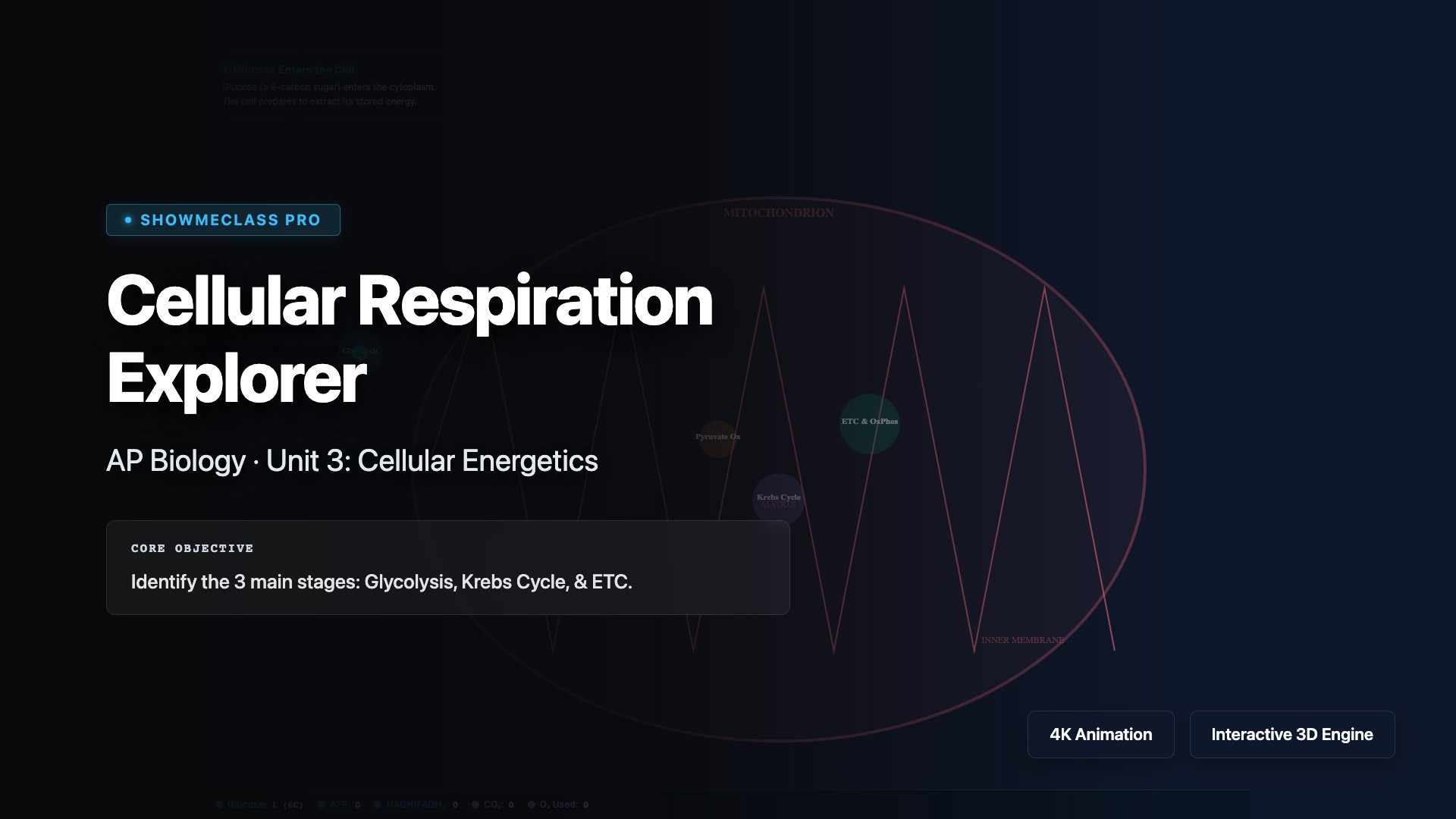
Cellular Respiration Explorer
Step through the complete cellular respiration pathway from glucose to ATP. Explore glycolysis in the cytoplasm, the Krebs cycle in the mitochondrial matrix, and oxidative phosphorylation in the inner membrane. Track the production of ATP, NADH, FADH₂, and CO₂ at each stage to understand how cells extract energy from organic molecules.
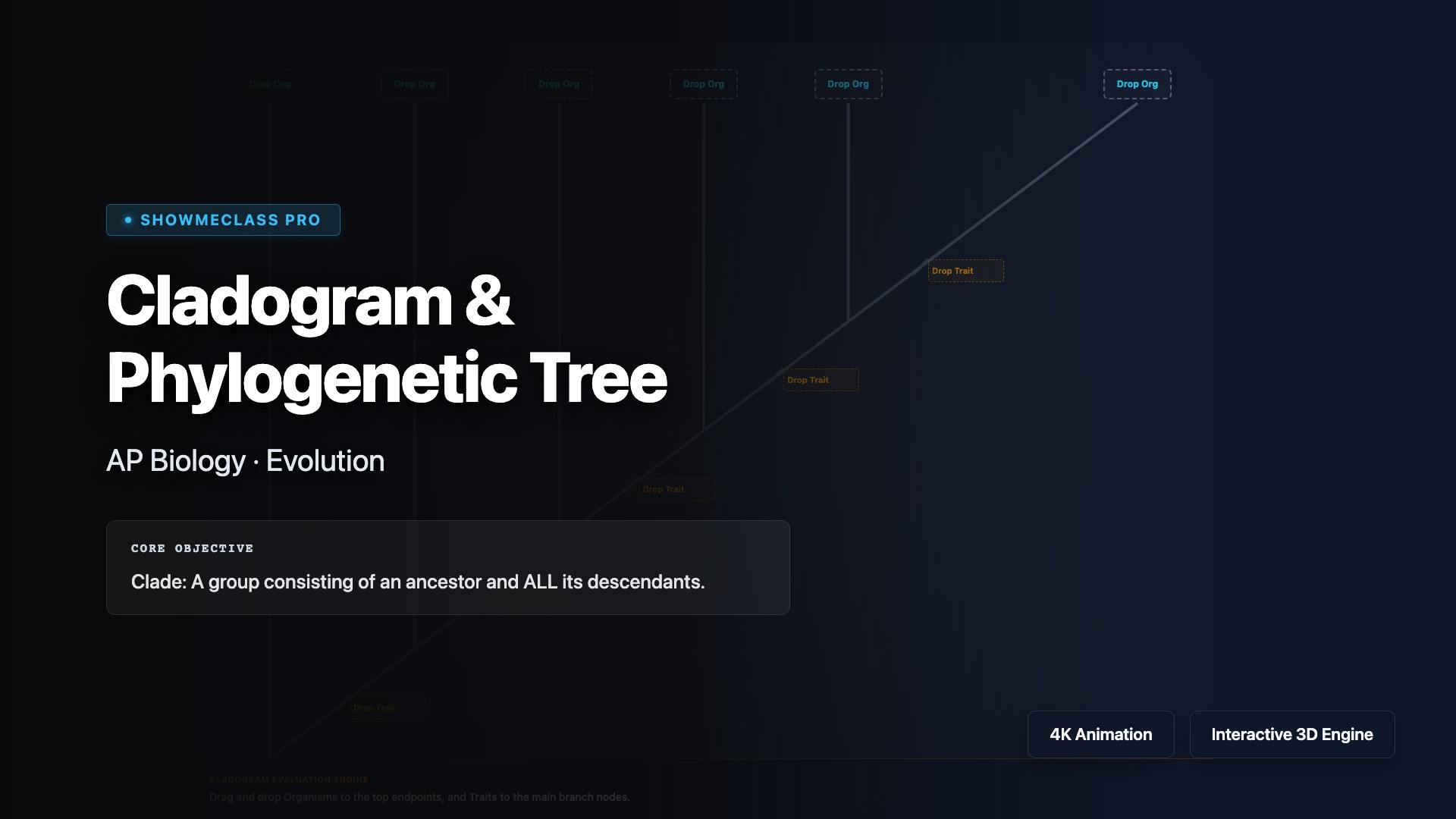
Cladogram & Phylogenetic Tree
Build cladograms and phylogenetic trees to visualize evolutionary relationships between organisms based on shared derived characteristics. Explore how cladistics uses synapomorphies to determine common ancestry, construct branching diagrams, and interpret evolutionary history through the principle of parsimony.
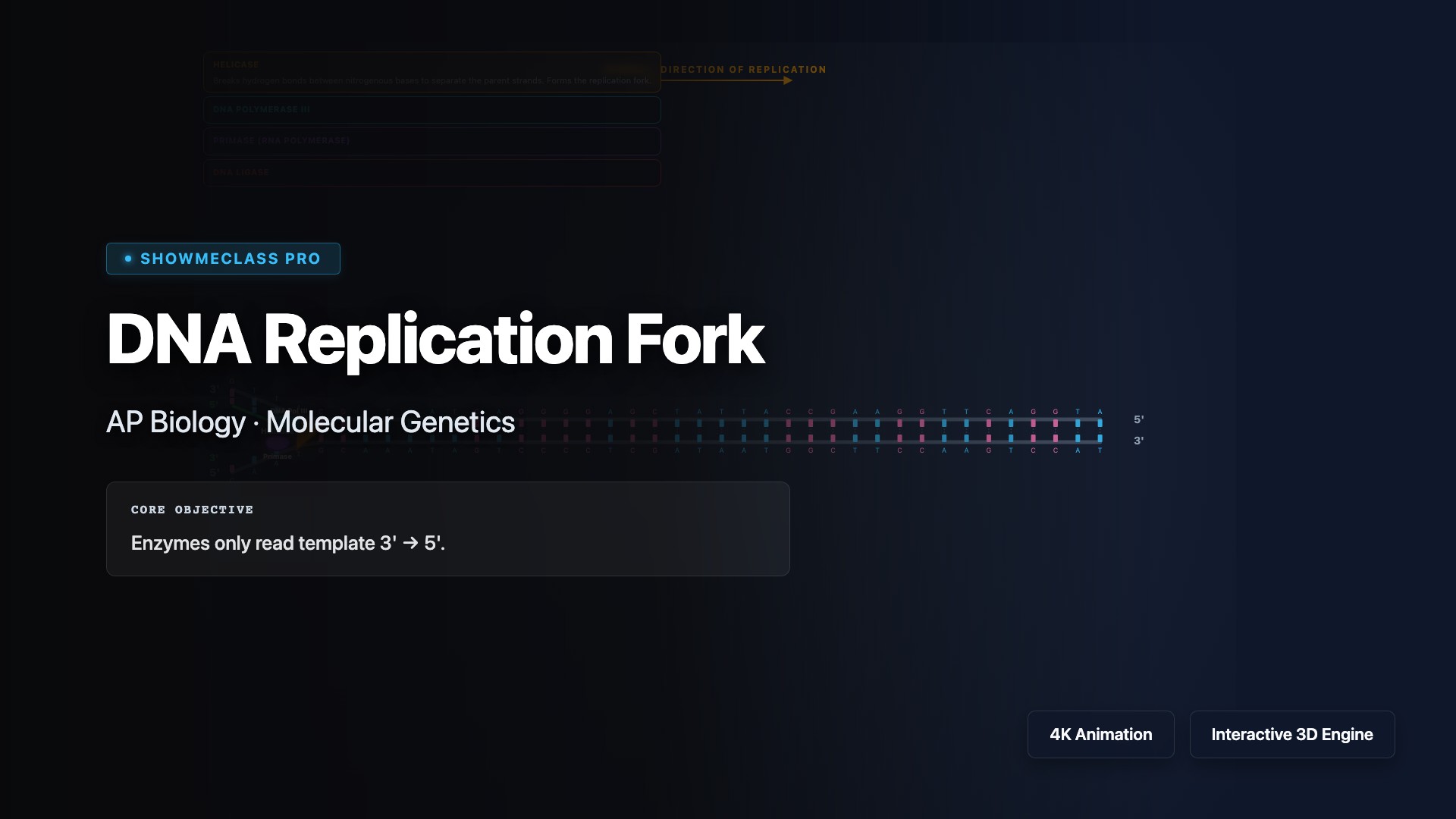
DNA Replication Fork
Visualize the semiconservative DNA replication process at the replication fork, including the roles of helicase, primase, DNA polymerase III, and ligase. Explore how the leading strand is synthesized continuously 5' to 3' while the lagging strand forms discontinuous Okazaki fragments, and understand the proofreading mechanisms that ensure replication fidelity.
ELISA Assay Simulator
Simulate the enzyme-linked immunosorbent assay (ELISA) technique used to detect and quantify specific antigens or antibodies in biological samples. Explore the sandwich ELISA method, understand antibody-antigen binding specificity, and learn how colorimetric detection enables diagnostic applications in medicine, research, and disease screening.
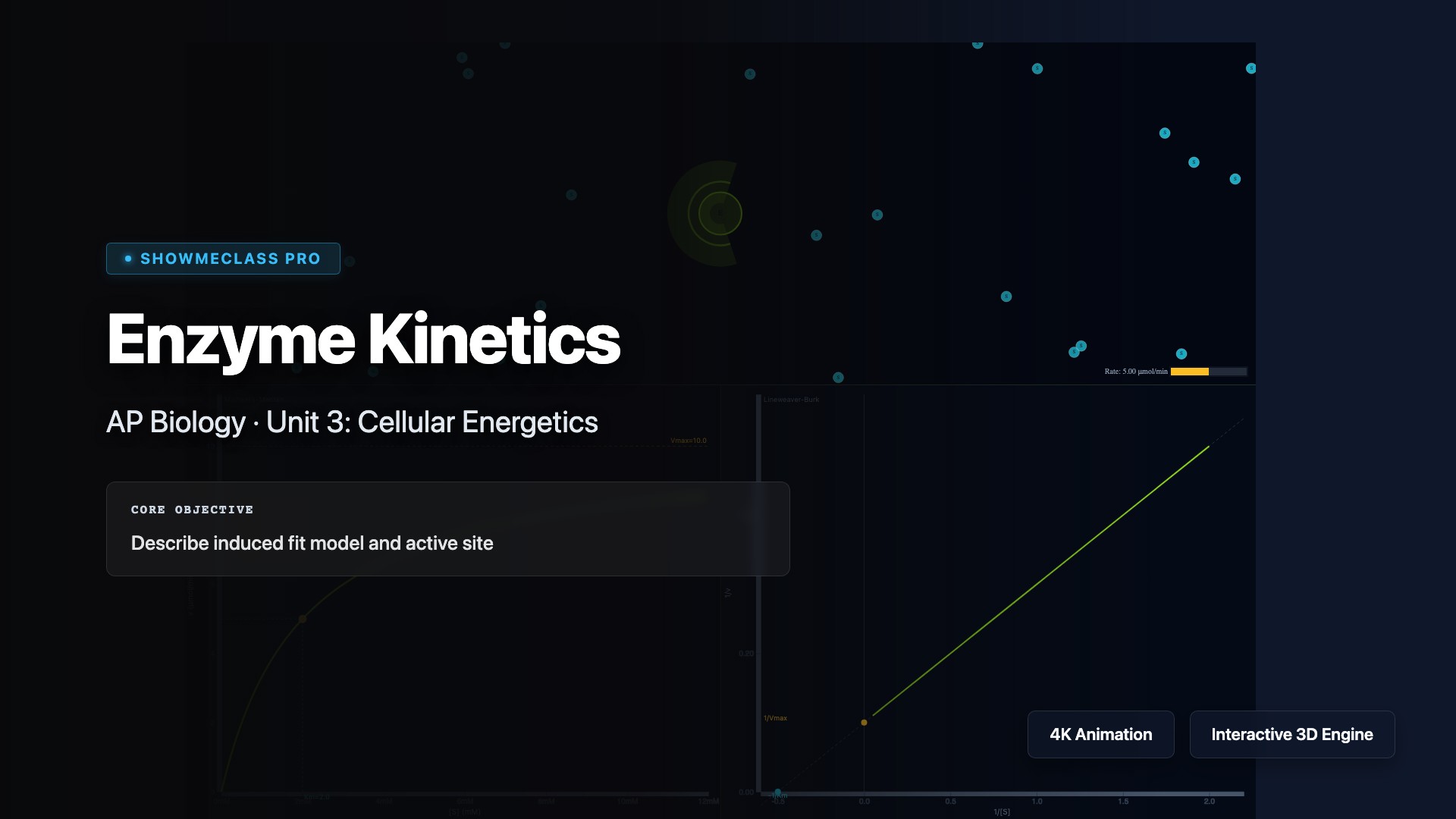
Enzyme Kinetics
Explore enzyme kinetics through Michaelis-Menten models, visualizing how substrate concentration affects reaction velocity. Understand key parameters including Vmax (maximum velocity), Km (Michaelis constant), and how competitive and non-competitive inhibitors alter enzyme activity by affecting substrate binding and catalytic efficiency.
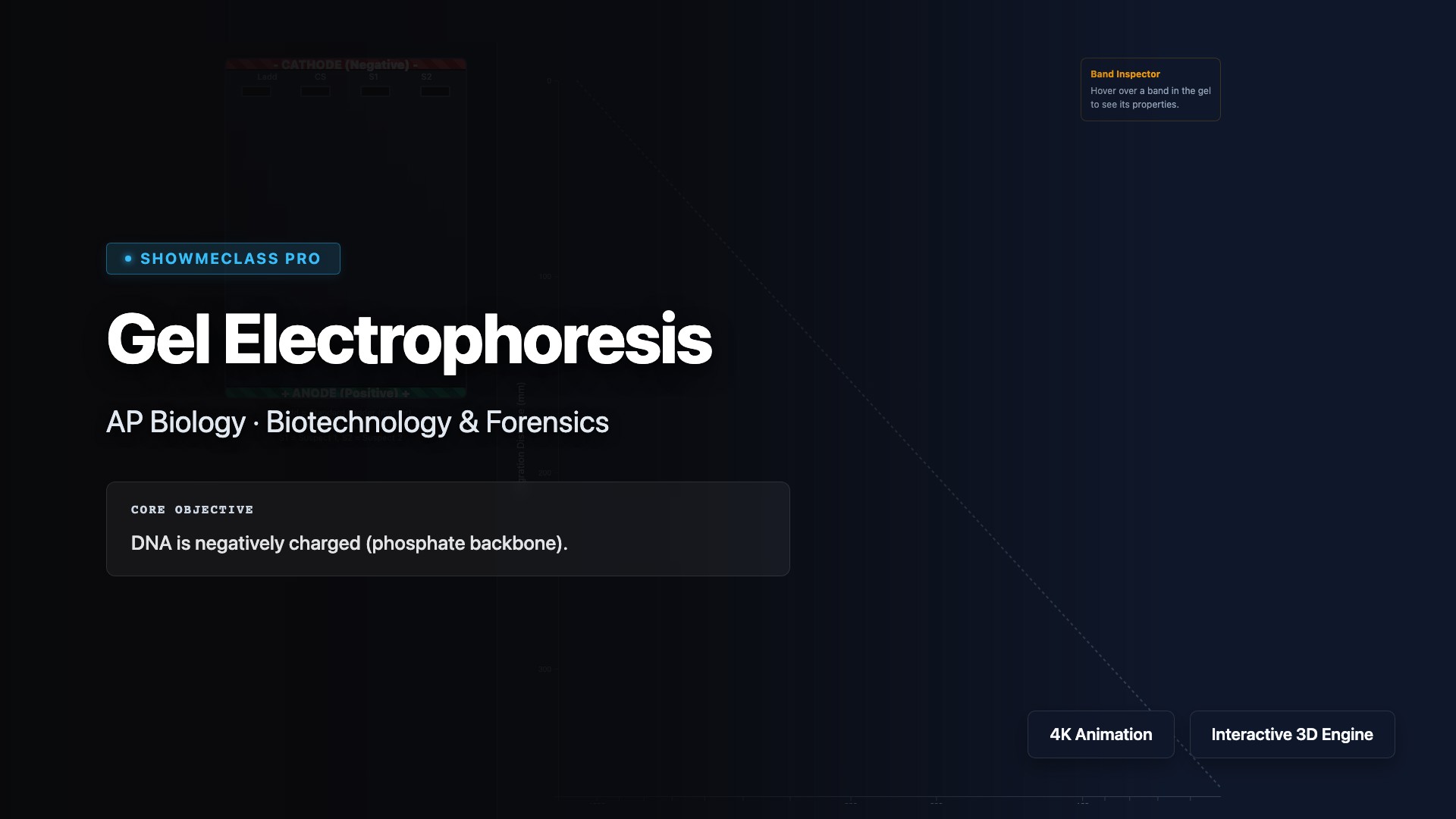
Gel Electrophoresis
Simulate gel electrophoresis to separate DNA fragments by size using an electric field through an agarose gel matrix. Visualize how negatively charged DNA molecules migrate toward the positive electrode, with smaller fragments traveling faster and farther than larger ones. Learn applications in DNA fingerprinting, RFLP analysis, and forensic identification.
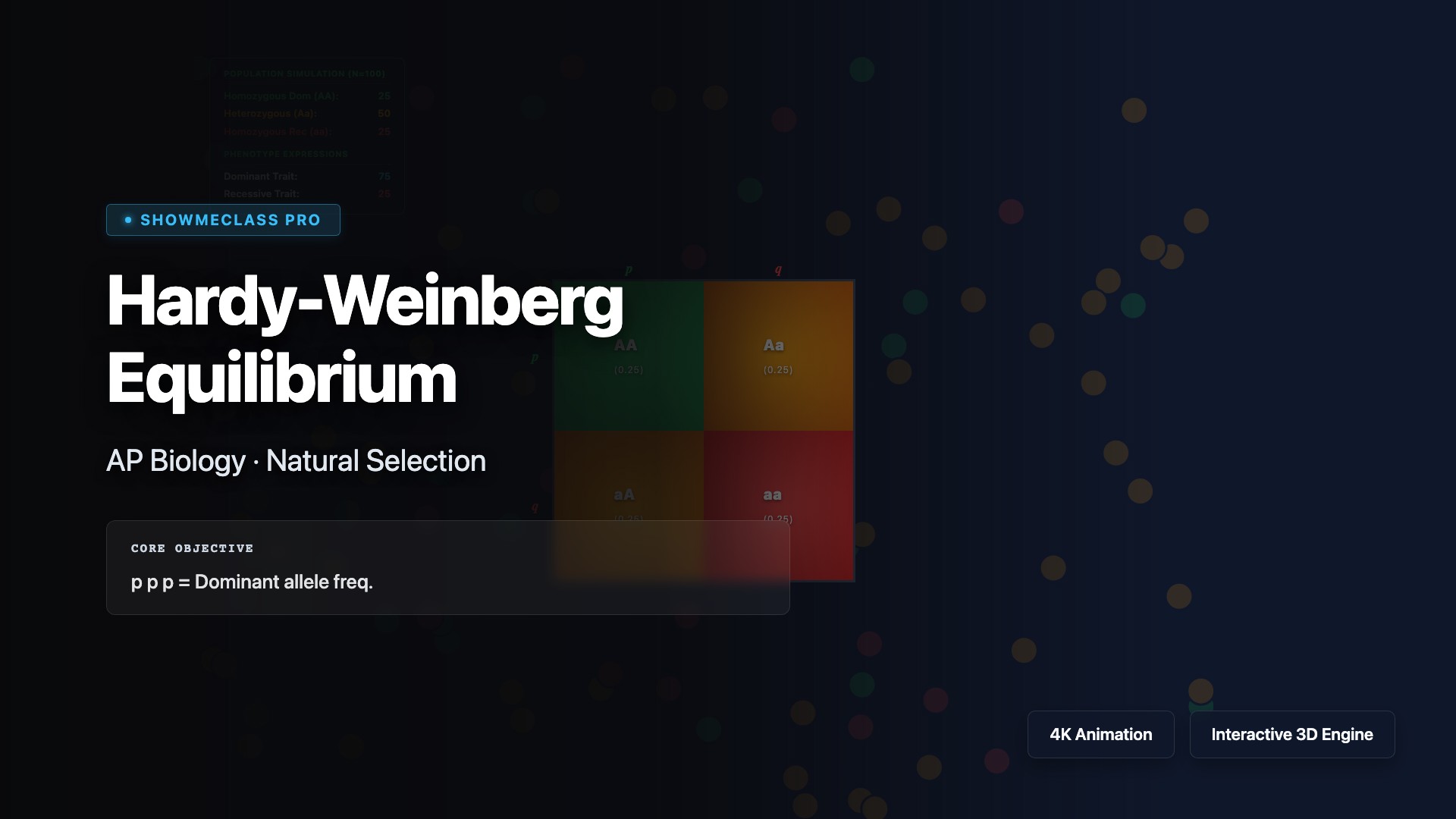
Hardy-Weinberg Equilibrium
Explore the Hardy-Weinberg equilibrium model to predict allele and genotype frequencies in non-evolving populations. Use the equations p² + 2pq + q² = 1 and p + q = 1 to calculate frequencies, and understand how violations of the five conditions (no mutation, random mating, no gene flow, infinite population size, no selection) indicate evolutionary change.
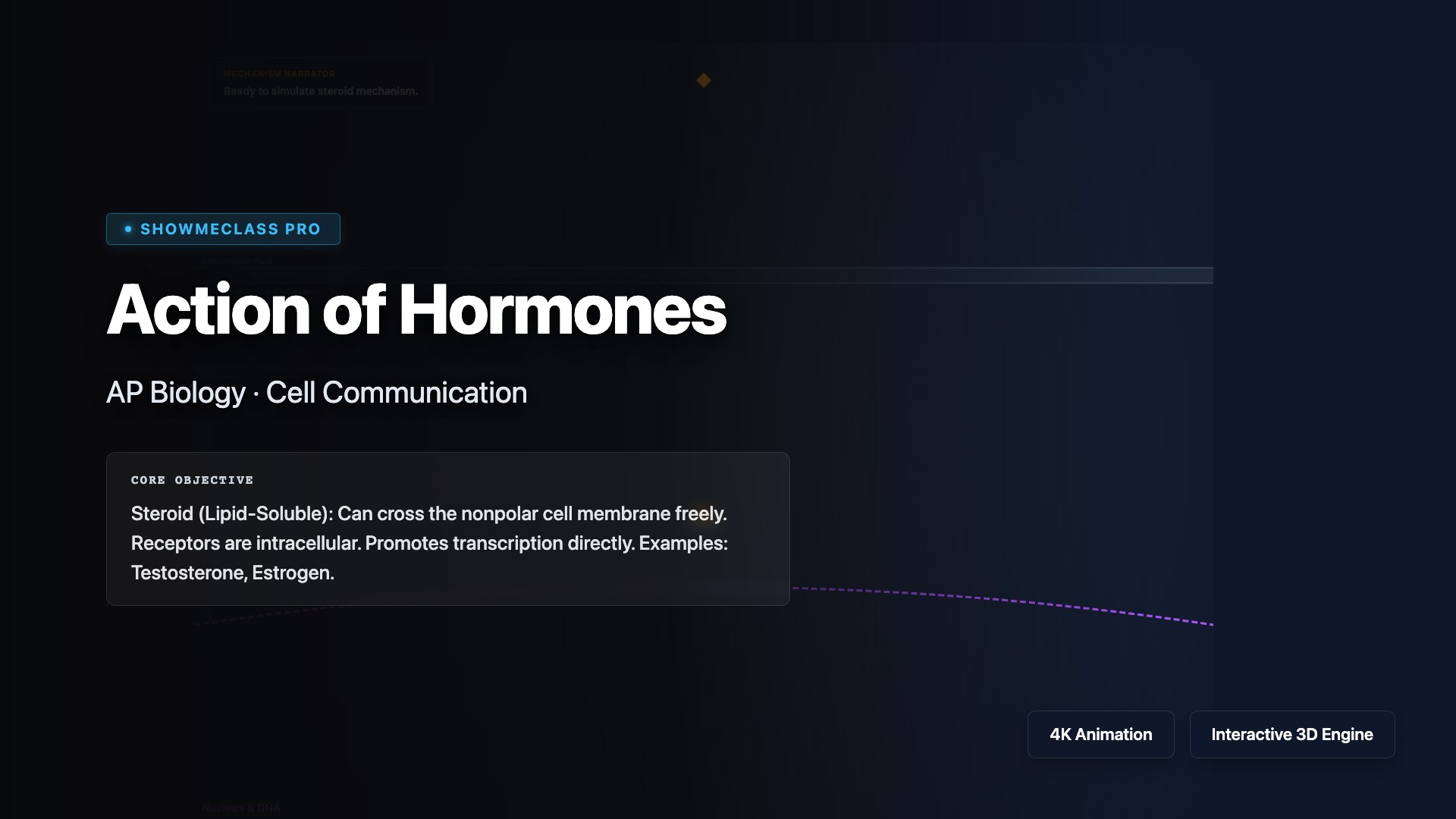
Action of Hormones
Visualize how hormones trigger cellular responses through signal transduction pathways. Explore the differences between lipid-soluble hormones (steroids) that pass through membranes to bind intracellular receptors and water-soluble hormones (peptides) that bind surface receptors, activating second messenger systems like cAMP and initiating phosphorylation cascades via G-protein coupled receptors (GPCRs).
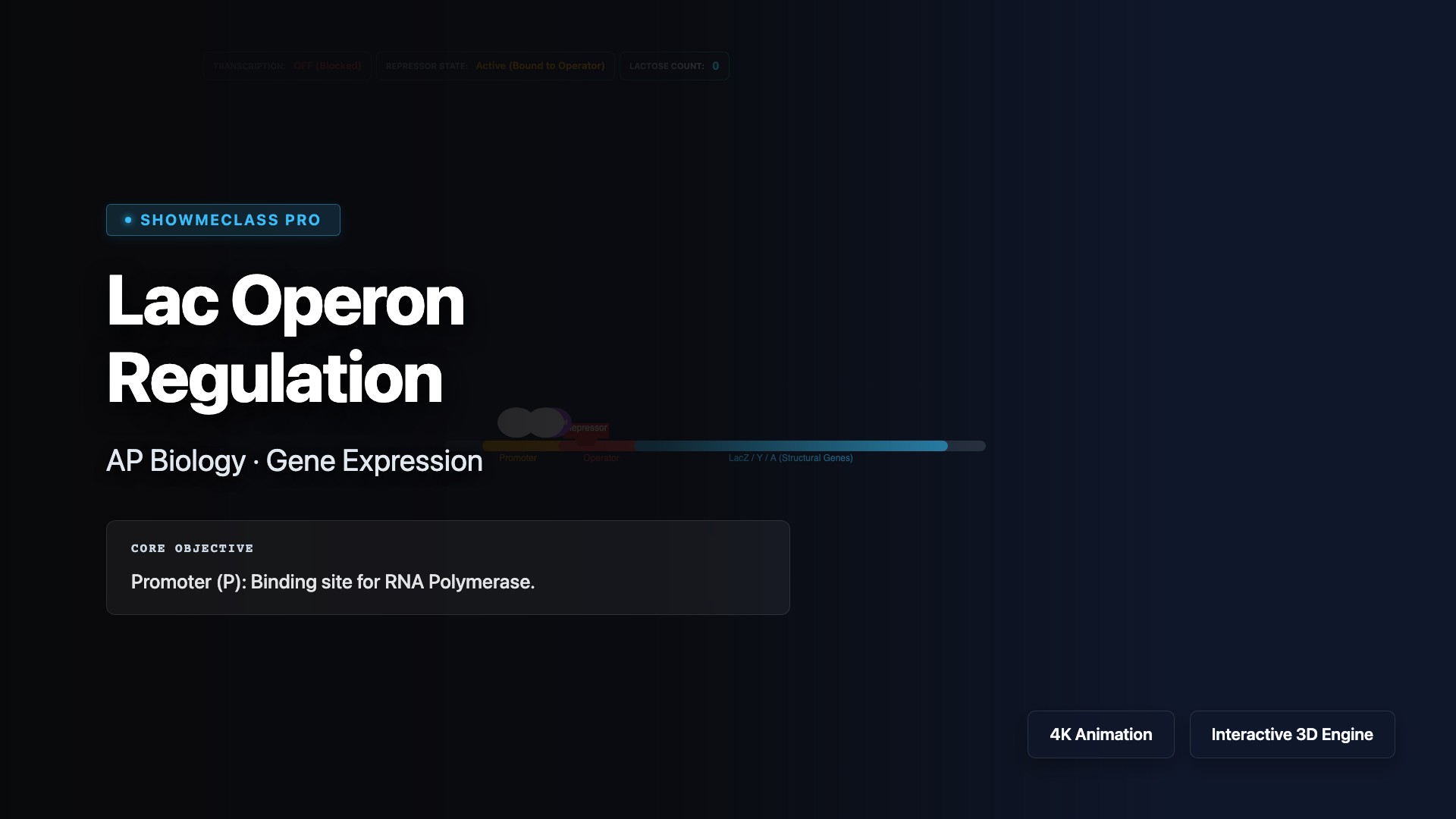
Lac Operon Regulation
Explore prokaryotic gene regulation through the lac operon in E. coli, a classic model of negative and positive control. Visualize how the repressor protein blocks transcription in the absence of lactose, and how lactose (allolactose) acts as an inducer to allow transcription of genes encoding β-galactosidase, permease, and transacetylase. Understand CAP-cAMP positive regulation under low glucose conditions.
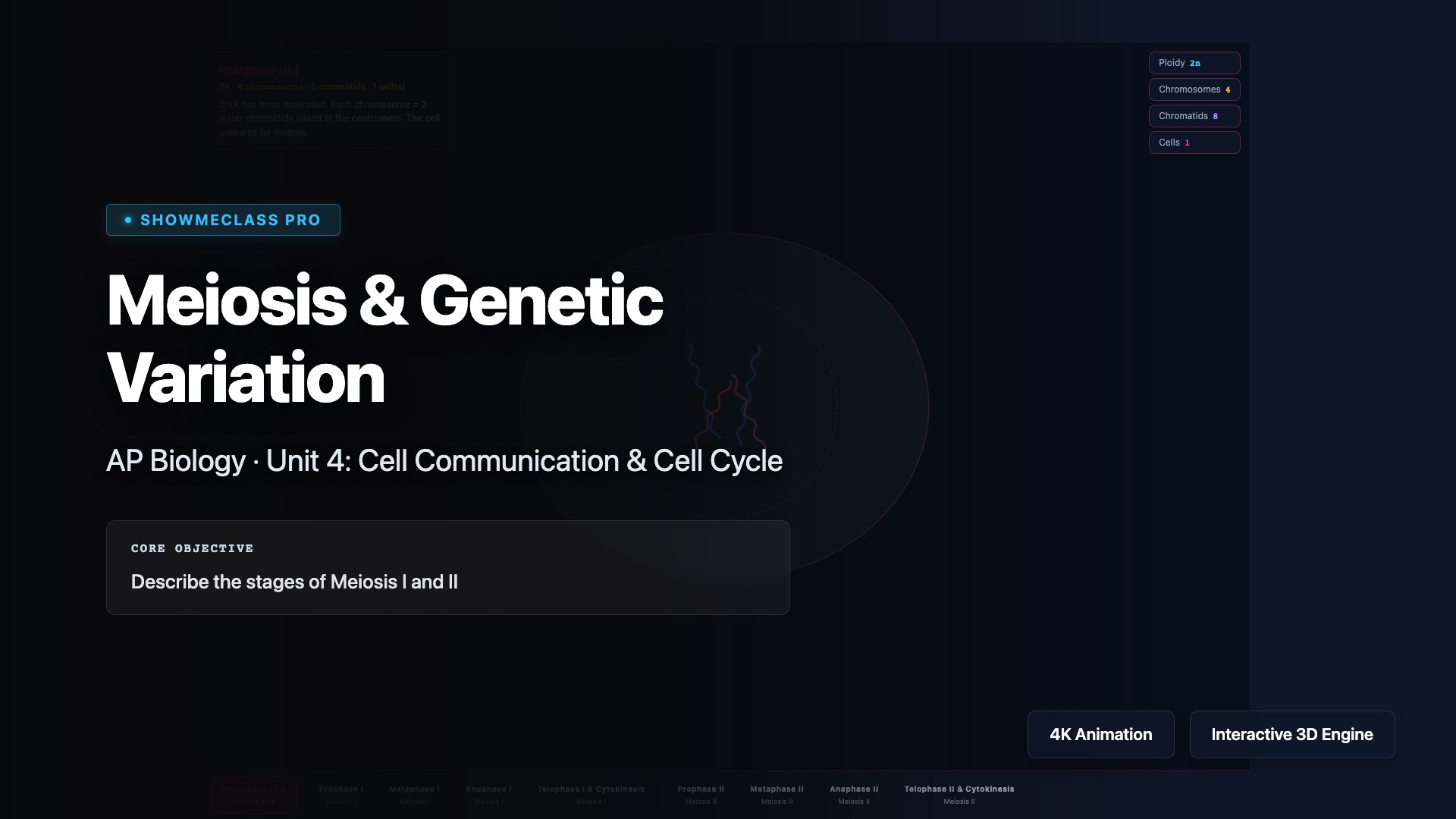
Meiosis & Genetic Variation
Visualize the stages of meiosis I and meiosis II, the specialized cell division that produces four haploid gametes from one diploid cell. Explore how crossing over during prophase I and independent assortment during metaphase I generate genetic variation, and understand how meiosis reduces chromosome number while maintaining genetic diversity essential for sexual reproduction.
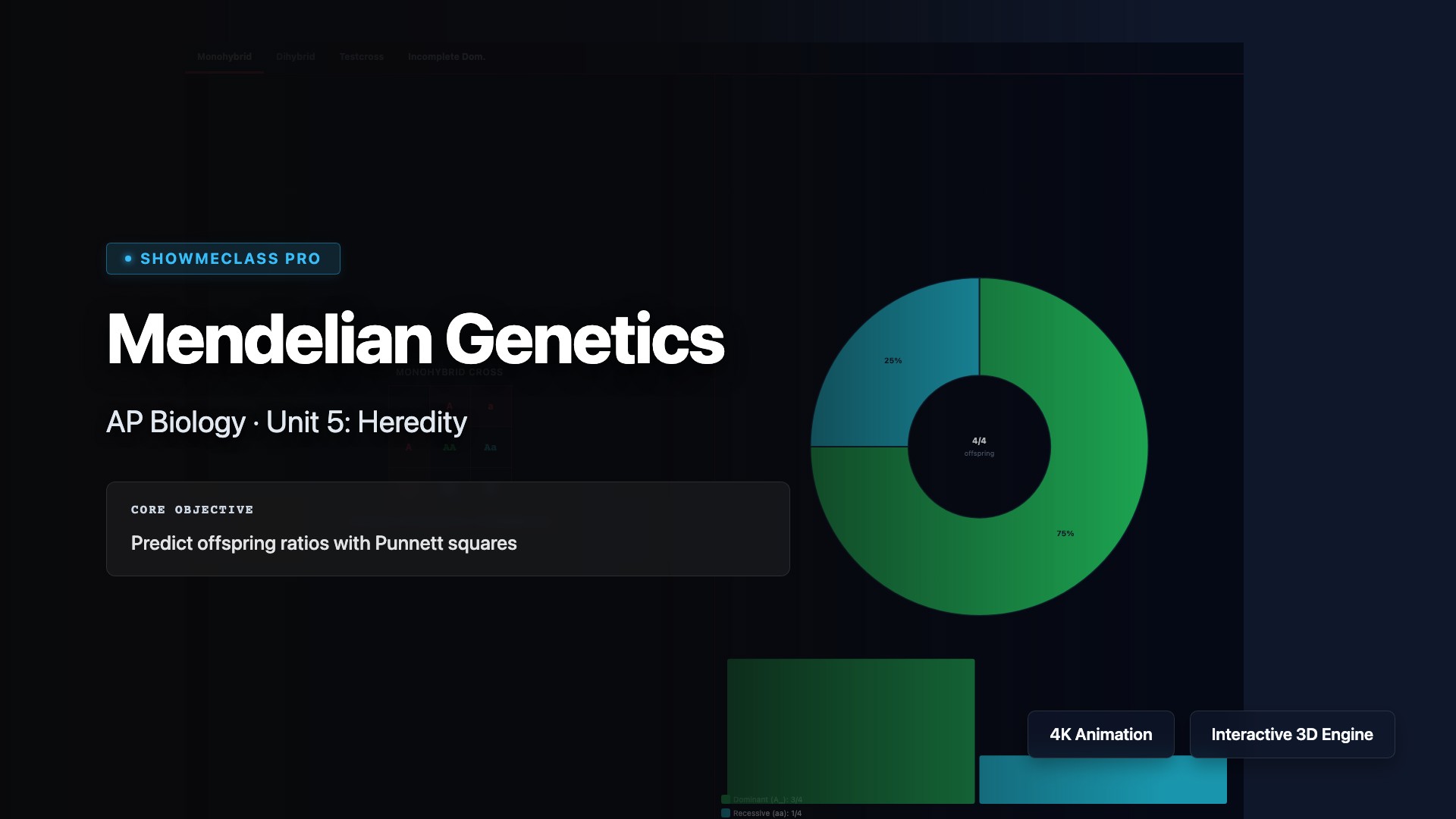
Mendelian Genetics
Explore Gregor Mendel's fundamental laws of inheritance through interactive Punnett squares and genetic crosses. Visualize the law of segregation (alleles separate during gamete formation) and the law of independent assortment (genes for different traits segregate independently). Practice predicting offspring genotypes and phenotypes for monohybrid and dihybrid crosses, and understand dominant, recessive, and codominant inheritance patterns.
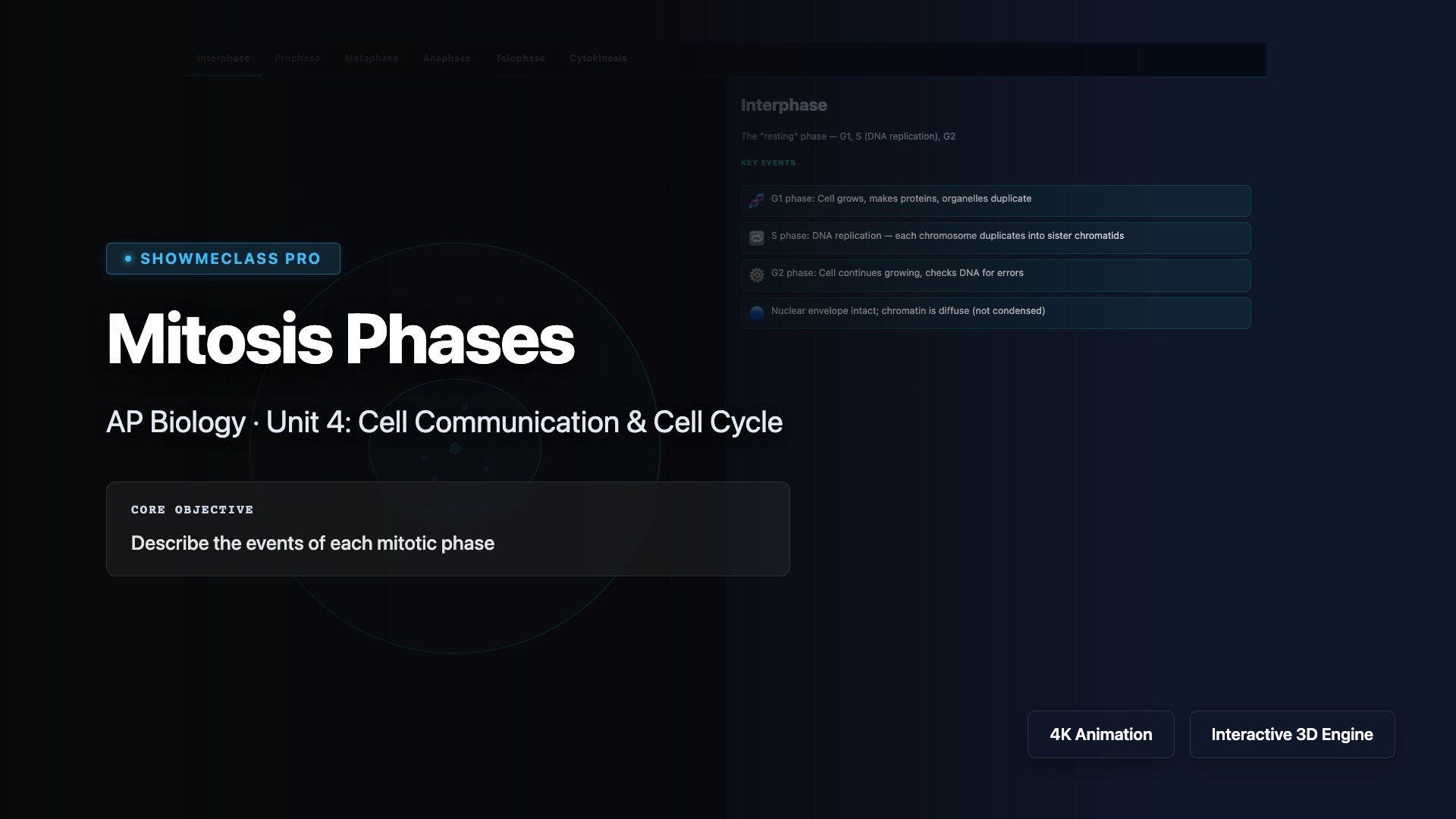
Mitosis Phases
Visualize the stages of mitosis—prophase, metaphase, anaphase, and telophase—the process by which a eukaryotic cell divides to produce two genetically identical daughter cells. Explore chromosome condensation, spindle fiber attachment at kinetochores, sister chromatid separation, and cytokinesis. Understand how mitosis maintains chromosome number and ensures accurate distribution of genetic material for growth, repair, and asexual reproduction.